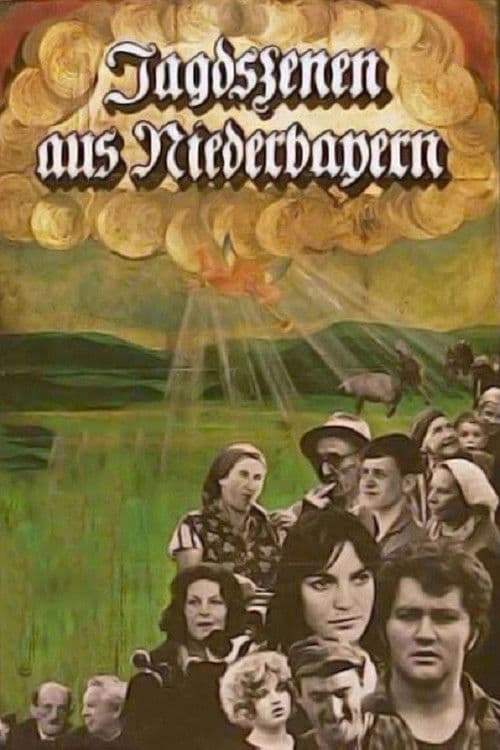
ynopsis from Time Out Film Guide Between the seemingly idyllic opening and closing scenes depicting a rural community, first at church, then at the village festival, Fleischmann attacks that community's prejudices and ignorance without remorse. His very precisely observed portrait of Bavarian life begins with little more than a display of the villagers' constant ribbing, bawdy humour, continuous gossip, and more than a hint of their slow-wittedness. With the return of a young man, their idle malice and childish clowning, always on the edge of unpleasantness, receive some focus quite without foundation, the lad is victimised as a homosexual. The crippling conformity of their ingrained conservatism leads the villagers to reject anything 'different' a young widow is ostracised, more for her crippled lover and idiot son than her morals; a teacher is frozen out because she's educated; the casual destruction of the young 'homosexual' is given no more thought than the cutting up of a pig. Not Germany in the '30s but the '70s; nevertheless the political parallels are clear. An impressive film.
选集 (1集)










巴伐利亚打猎即景
剧情
年份 1969-05-29
地区 其它
语言 其它
导演 Peter Fleischmann
ynopsis from Time Out Film Guide Between the seemingly idyllic opening and closing scenes depicting a rural community, first at church, then at the village festival, Fleischmann attacks that community's prejudices and ignorance without remorse. His very precisely observed portrait of Bavarian life begins with little more than a display of the villagers' constant ribbing, bawdy humour, continuous gossip, and more than a hint of their slow-wittedness. With the return of a young man, their idle malice and childish clowning, always on the edge of unpleasantness, receive some focus quite without foundation, the lad is victimised as a homosexual. The crippling conformity of their ingrained conservatism leads the villagers to reject anything 'different' a young widow is ostracised, more for her crippled lover and idiot son than her morals; a teacher is frozen out because she's educated; the casual destruction of the young 'homosexual' is given no more thought than the cutting up of a pig. Not Germany in the '30s but the '70s; nevertheless the political parallels are clear. An impressive film.
演员
Martin Sperr
饰 Abram
安吉拉·温克勒
饰 Hannelore
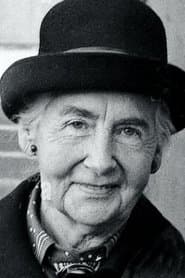
Else Quecke
饰 Barbara
Michael Strixner
饰 Georg
Maria Stadler
饰 Metzgerin
Gunja Seiser
饰 Maria
Johann Brunner
饰 Hiasl

汉娜·希古拉
饰 Paula
Renate Sandner
饰 Zenta
Ernst Wager
饰 Volker
Johann Lang
饰 Ernstl
Johann Fuchs
饰 Bürgermeister
Hans Elwenspoek
饰 Pfarrer
Erika Wackernagel
饰 Frau des Bürgermeisters
Eva Berthold
饰 Lehrerin